
Profile
Associate Professor Ulf Gustafsson (Sweden)
Interim Chair and Guideline Co-ChairDanderyds Hospital, Dept of Surgery

The thoughts and theories about enhanced recovery all started in colorectal surgery. This was not a coincidence since the average age at diagnosis with colorectal cancer is generally high and most of the patients are scheduled for major surgery with a high risk of complications. Due…
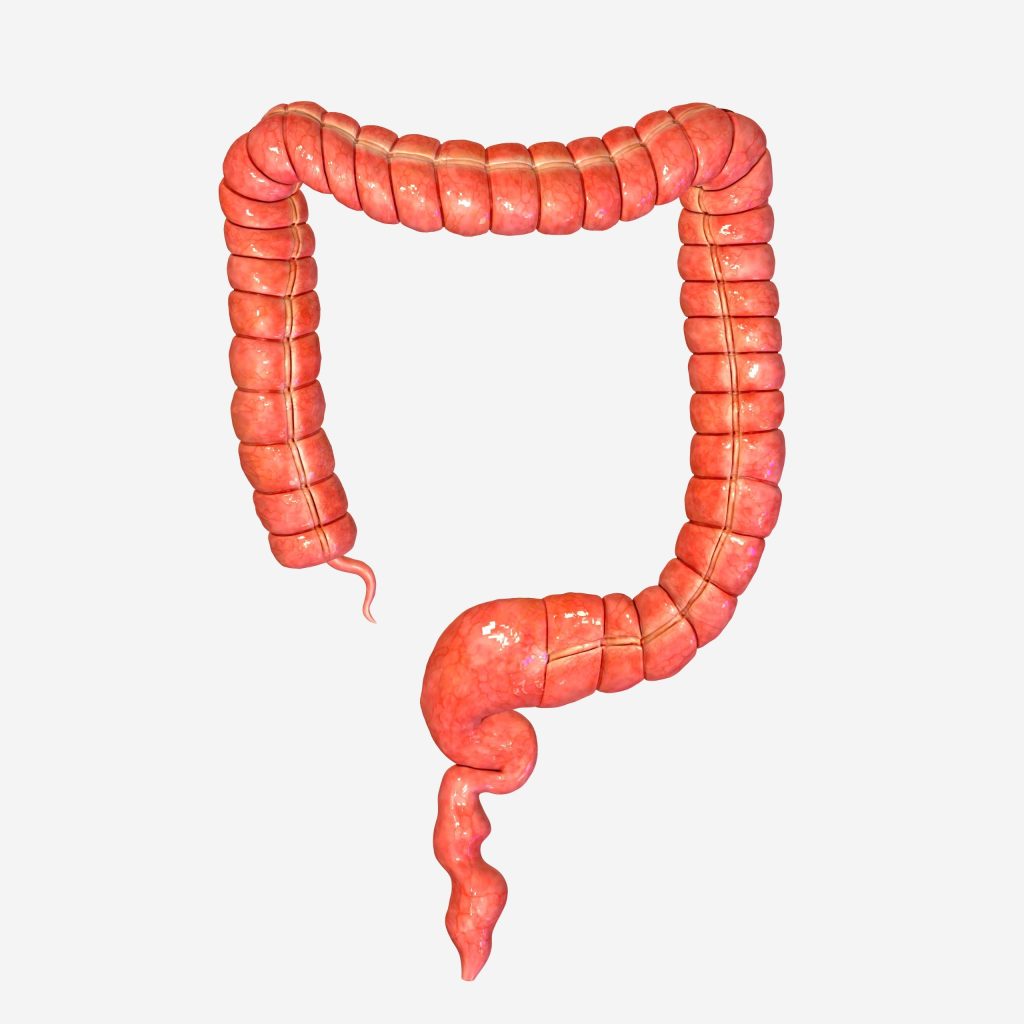
The thoughts and theories about enhanced recovery all started in colorectal surgery. This was not a coincidence since the average age at diagnosis with colorectal cancer is generally high and most of the patients are scheduled for major surgery with a high risk of complications. Due to the lack of congruence in perioperative care across sites, the unsatisfactory recovery rates, and diverse quality in terms of reporting outcomes, there was a need for new perioperative regimens, other than the currently practiced traditional perioperative care.
Inspired by the early work of Henrik Kehlet, Denmark, showing significantly improved recovery after colorectal surgery, the enhanced recovery after surgery (ERAS) study group collaboration was established in 2000. The international ERAS database (EIAS), the concept of using standardized interventions, the way to calculate compliance and the structure of conducting guidelines, all has evolved from the work with colorectal surgery.
The first ERAS guideline in colorectal surgery was published in 2005 (1). The following guidelines 2012 were divided in colonic (2) and rectal surgery (3), where the two surgical modalities were reunited in the last published guidelines 2018 (4).
The way of conducting guidelines has changed over the years. If the first guideline was based on literature review and expert opinions, the latest guideline underwent a rigorous framework, including grading of evidence according to the GRADE-system, on how to conduct guidelines. In 2020, guidelines for guidelines in ERAS society was published in British Journal of surgery open (5).
When comparing ERAS protocols with traditional care in colorectal surgery, ERAS significantly reduce the risk for postoperative morbidity with 48% (6) and median length of stay in hospital, 2.5 days (7). However, current evidence in favor of the ERAS protocol applies for the whole protocol and not for every single item within it. Thus, the evidence base behind each item within the protocol is constantly changing depending on which new evidence are published.
One of the main purposes with this part of the website is to constantly review and present new publications which may affect the current state of evidence behind items within the ERAS protocol, but also to present news that may be of general interest in association with colorectal surgery and ERAS.
We are all aware of the WHO Surgical Safety Checklist, and how useful they are to improve safety. New work has recently modified the checklist to align with ERAS recommendations for patients undergoing major surgery within an ERAS protocol. This may help improve adherence to ERAS elements and ultimately perioperative outcomes.
See here for more details
See here for the above colorectal references:
Colorectal References
Click here for more information
Daniel Asklid, Olle Ljungqvist, Yin Xu, Ulf O. Gustafsson Short‑term outcome in robotic vs laparoscopic and open rectal tumor surgery within an ERAS protocol: a…
Expert ReviewHamid HK, Emile SH, Saber AA, Ruiz-Tovar J, Minas V, Cataldo TE Laparoscopic-Guided Transversus Abdominis Plane Block for Postoperative Pain Management in Minimally Invasive Surgery:…
Expert ReviewOnerup A, Andersson J, Angenete E, Bock D, Börjesson M, Ehrencrona C, Olsén MF, Larsson PA, de la Croix H, Wedin A, Haglind E, Sweden…
Expert ReviewPaul Andrew Drakeford, Shu Qi Tham, Jia Li Kwek, Vera Lim, Chien Joo Lim, Kwang Yeong How, Olle Ljungqvist, Singapore / Sweden. Acute Kidney Injury…
Expert ReviewShim JW, Kim KR, Jung Y, Park J, Lee HM, Kim YS, Moon YE, Hong SH, Chae MS, South Korea. Role of intraoperative oliguria in…
Expert ReviewIntroducing an ERAS programme across a provincial healthcare system. Nelson G, Kiyang LN, Crumley ET, Chuck A, Nguyen T, Faris P, Wasylak T, Basualdo-Hammond C,…
Expert ReviewA Meta-Analysis: Postoperative Pain Management in Colorectal Surgical Patients and the Effects on Length of Stay in an Enhanced Recovery After Surgery (ERAS) Setting. Chemali…
Expert ReviewDo we really need the full compliance with ERAS protocol in laparoscopic colorectal surgery? A prospective cohort study. Pisarska M, Pędziwiatr M, Małczak P, Major…
Danderyds Hospital, Dept of Surgery